Get in touch Now
Have a question about our products or need a custom solution? Our team is here to help — just reach out.


What Is a Casement Opening System?
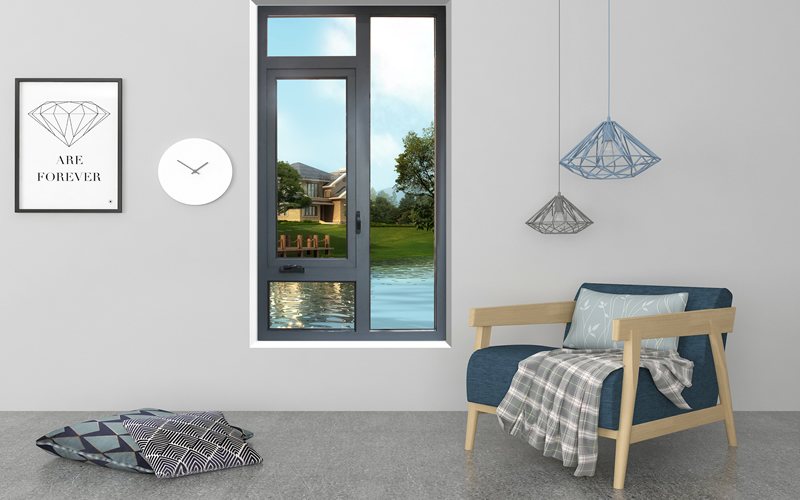
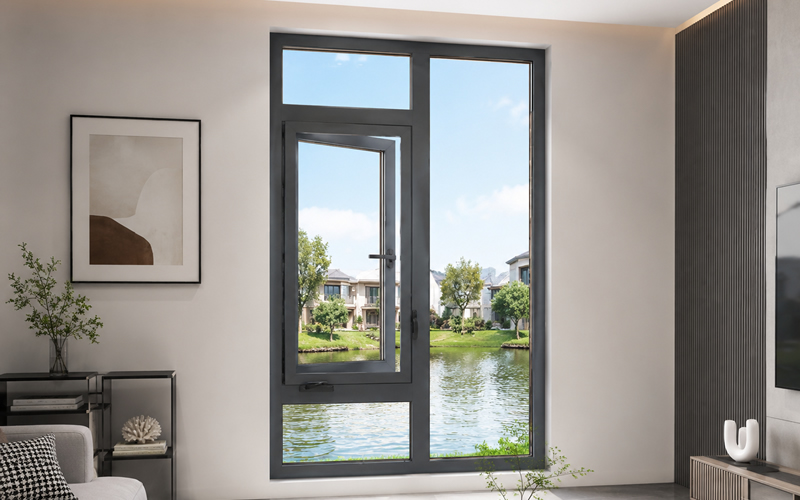
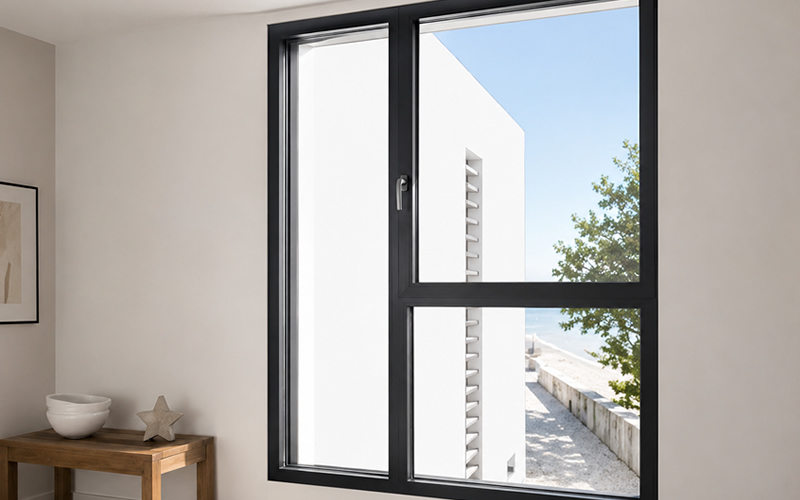
A casement opening system is a window design where the sash is attached to the frame by hinges on one side. It opens outward or inward using a handle or crank mechanism. Unlike sliding or double-hung windows, casement windows offer an unobstructed opening and a tight seal when closed.
Suifu Windows & Doors has specialized in casement opening systems since 2014. Our design philosophy focuses on three key areas: sound insulation, safety, and style. We provide customized window and door solutions to users around the world.
Why Choose a Casement Opening System?
There are several reasons homeowners and architects prefer casement windows over other types.
Full Ventilation
When a casement window opens, there is no rail or frame blocking the air path. This allows fresh air to flow directly into the room. For kitchens, living rooms, and bedrooms, this means better indoor air quality and natural cooling.
Energy Savings
A casement opening system closes by pressing the sash against the frame, compressing the rubber gasket. This creates an airtight seal that stops drafts. In winter, warm air stays inside. In summer, hot air stays out. Over time, this reduces heating and cooling costs.
Strong Security
Casement windows typically use multi-point locking systems. The locks engage at several points along the frame, making it very difficult to force the window open from the outside. Sliding windows, by comparison, have a single locking point and can be vulnerable along the track.
Noise Reduction
Sound insulation is a core strength of Suifu’s casement opening system. When combined with double-glazed or laminated glass, the tight seal blocks outside noise effectively. Busy street traffic, neighborhood sounds, and construction noise are significantly reduced.
Easy to Clean
Because the sash swings open, you can reach the outside of the glass from inside your home. This makes cleaning safer and more convenient, especially on upper floors.
Casement Opening System vs. Other Window Types
Compared to sliding windows, a casement opening system provides better airtightness and higher sound insulation. Sliding windows are better suited for very wide openings or spaces where outward swinging is not possible, such as narrow walkways.
Compared to double-hung windows, casement windows offer a much larger ventilation area. Double-hung windows only open half of their total size, while casement windows can open fully.
For most residential projects, especially those facing busy streets or requiring energy efficiency, the casement opening system is the superior choice.
What Makes a High-Quality Casement Opening System?
Not all casement windows perform the same way. When evaluating a casement opening system, pay attention to these components.
Frame Material
Thermally broken aluminum is an excellent choice. It provides strength and durability while reducing heat transfer. uPVC is another option for lower-cost applications. Suifu uses thermally broken aluminum for its balance of performance and longevity.
Glass Configuration
Standard double glazing of 5mm glass, 20mm air gap, and another 5mm glass is a good baseline. For better noise control, laminated glass with a PVB interlayer is recommended. For extreme climates, triple glazing may be appropriate.
Hardware
The handle, hinges, and locking points are critical to the window’s operation and security. Look for stainless steel hinges, multi-point locks, and handles that feel solid and smooth when turned. Cheap hardware will fail after a few years of regular use.
Seals and Gaskets
High-quality rubber or silicone gaskets ensure the window remains airtight over time. Low-quality seals can shrink, crack, or harden, leading to drafts and noise leakage.
Installation Quality
Even the best casement opening system will perform poorly if installed incorrectly. Proper flashing, sealing, and anchoring to the wall are essential. Always use experienced installers who understand casement window requirements.
Where Should You Install a Casement Opening System?
Bedrooms – Noise reduction and controlled ventilation help create a quiet, restful environment.
Living Rooms – Large glass areas and full fresh air make the space more comfortable and inviting.
Kitchens – Easy operation above countertops and the ability to clear cooking odors quickly.
Street-Facing Walls – Enhanced security and sound insulation protect your home from outside noise and intrusion.
Home Offices – A quiet, draft-free workspace improves concentration and productivity.
Suifu’s Casement Opening System
Suifu Windows & Doors was founded in Foshan in 2014. Since then, we have built a network of over 500 offline sales outlets and served more than 30 million users across China. Our annual sales volume continues to grow year after year.
Our casement opening systems are custom-made for each project. We test every design for air permeability, water tightness, and wind load resistance. We offer a wide range of colors, including dual-color options where the interior and exterior finishes are different. Single casement, French casement, and top-vent combinations are all available.
Because we control our own manufacturing, we can offer factory-direct pricing and global shipping support. Technical drawings and engineering support are available for architects and contractors.
Final Thoughts
A casement opening system is one of the most practical and reliable window choices for modern homes. It combines excellent ventilation, strong security, real energy savings, and effective noise reduction. When built with quality materials and installed correctly, it will perform well for decades.
If you are planning a new home, renovation, or commercial project, consider the casement opening system as your primary window type. Suifu Windows & Doors is ready to help with custom sizing, technical advice, and competitive pricing.
Contact us today to discuss your casement opening system requirements. Tell us your project size, performance goals, and preferred timeline.