Get in touch Now
Have a question about our products or need a custom solution? Our team is here to help — just reach out.


What Is a Sliding Opening System?
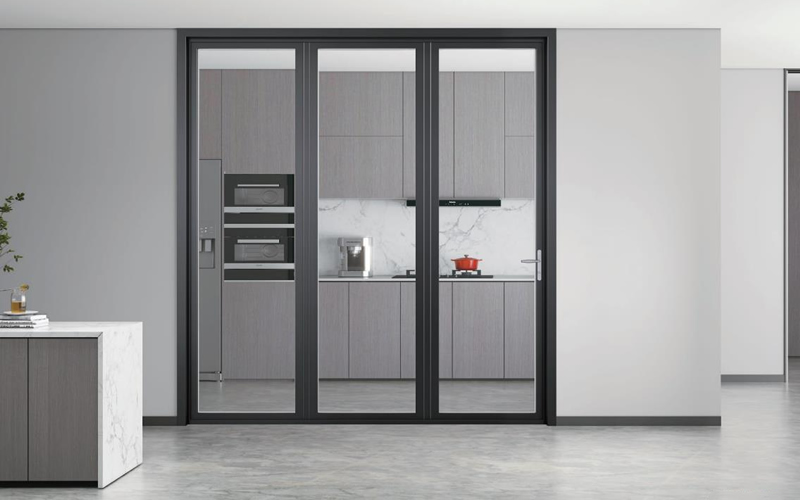
A sliding opening system is a window or door design where the sash moves horizontally along a track. Instead of swinging inward or outward, the panel glides smoothly to one side, overlapping with a fixed or movable panel. This design is ideal for spaces where outward swinging is impractical.
Sliding systems are commonly used for both windows and doors. Large sliding doors, often called patio doors, create wide openings that connect indoor and outdoor spaces. Sliding windows offer a practical solution for rooms with limited exterior clearance.
Suifu Windows & Doors has been manufacturing sliding opening systems since 2014. Our products combine smooth operation with strong performance in sound insulation, safety, and style.
Why Choose a Sliding Opening System?
Every window and door type has its strengths. The sliding opening system excels in several key areas.
Space Saving Design
Because sliding systems do not swing open, they require no clearance space outside or inside the room. This makes them perfect for narrow walkways, balconies, patios, or rooms where furniture might block a swinging door. The track mechanism keeps everything compact and efficient.
Wide Openings
Sliding systems can create very large openings. A two-panel sliding door opens half of its total width. A three-panel or four-panel system can open up to two-thirds or more of the wall. This is ideal for connecting living rooms to gardens, balconies, or terraces.
Unobstructed Views
When closed, sliding windows and doors offer large glass areas with minimal framing. The glass panels sit close to each other, with only a thin frame between them. This provides clear, uninterrupted views of the outdoors.
Easy Operation
Modern sliding opening systems use rollers and tracks that allow heavy glass panels to move with very little effort. A gentle push is all it takes to open or close even large doors. This is especially helpful for older adults or anyone with limited strength.
Natural Ventilation
When you open a sliding window or door, fresh air enters through the entire opening. Unlike awning or hopper windows that only open partially, a sliding opening system provides generous airflow.
Types of Sliding Opening Systems
Sliding Windows
Sliding windows typically have two panels. One panel is fixed, while the other slides horizontally. Some designs have both panels operable, allowing you to open from either side. Sliding windows are common in bedrooms, living rooms, and kitchens where space outside is limited.
Sliding Doors
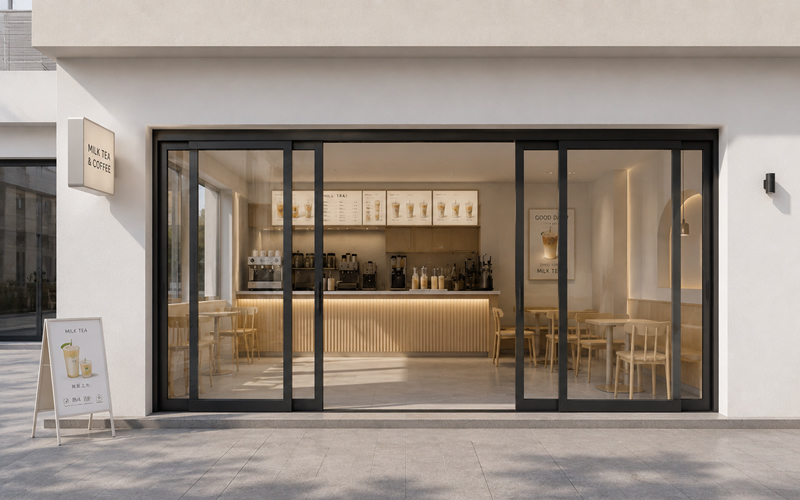
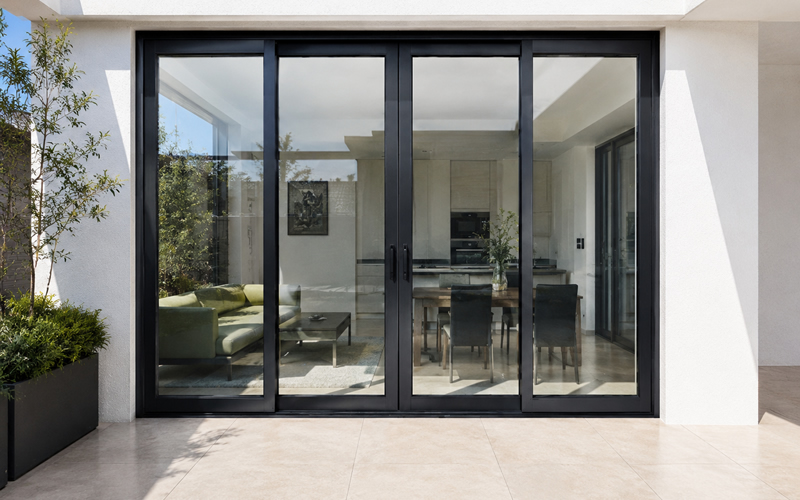
Sliding doors, also known as patio doors, consist of two or more large glass panels. At least one panel slides open. These doors create a seamless transition between indoor and outdoor spaces. They are popular for living rooms, dining areas, and hotel rooms with balconies.
Heavy Duty Sliding Doors
For larger openings or commercial applications, heavy duty sliding systems use thicker frames, stronger rollers, and laminated glass. These doors can support much larger panels and withstand frequent use. Suifu offers heavy duty sliding doors for projects requiring extra durability.
Multi-Panel Sliding Systems
Multi-panel systems use three, four, or even more panels. The panels stack together at one or both sides when opened, creating a very wide opening. This is ideal for restaurants, showrooms, or homes that want to completely open a wall to the outdoors.
Sliding Opening System vs. Other Systems
Vs. Casement Opening System
Casement windows swing outward and provide superior sealing and sound insulation. However, they require clear space outside and are not suitable for narrow walkways. Sliding windows work better in tight spaces and offer larger glass areas. For noise-sensitive projects, casement is often better. For space-constrained or view-focused projects, sliding is the choice.
Vs. Folding Door System
Folding doors, also called bi-fold doors, fold like an accordion and stack to one side. They open a wall completely but have more moving parts and require more maintenance than sliding systems. Sliding doors are simpler, more reliable, and less expensive while still providing large openings.
Vs. Tilt and Turn Windows
Tilt and turn windows open in two ways: tilting inward from the top or swinging inward from the side. They offer excellent sealing and ventilation options but require interior clearance. Sliding windows are better for rooms where furniture or curtains might block a swinging window.
Key Components of a Quality Sliding Opening System
Frame Material
Aluminum is the most common choice for sliding opening systems. It is strong, lightweight, and resists rust and corrosion. Thermally broken aluminum includes a plastic barrier inside the frame to reduce heat transfer. This prevents condensation and improves energy efficiency. For very cold climates, uPVC or wood-aluminum composites are also available.
Glass
Standard sliding systems use double glazing with a 20mm air gap. For better noise reduction, laminated glass with a PVB interlayer is recommended. For energy efficiency, low-E glass reflects heat while allowing light to pass through. For safety, tempered glass is much stronger than standard glass and breaks into small, less dangerous pieces.
Rollers and Track
The rollers and track determine how smoothly the sliding opening system operates. High quality rollers use stainless steel or nylon wheels with ball bearings. The track should be made of corrosion resistant aluminum or stainless steel. Cheap rollers will feel rough, make noise, and fail within a few years.
Locks and Security
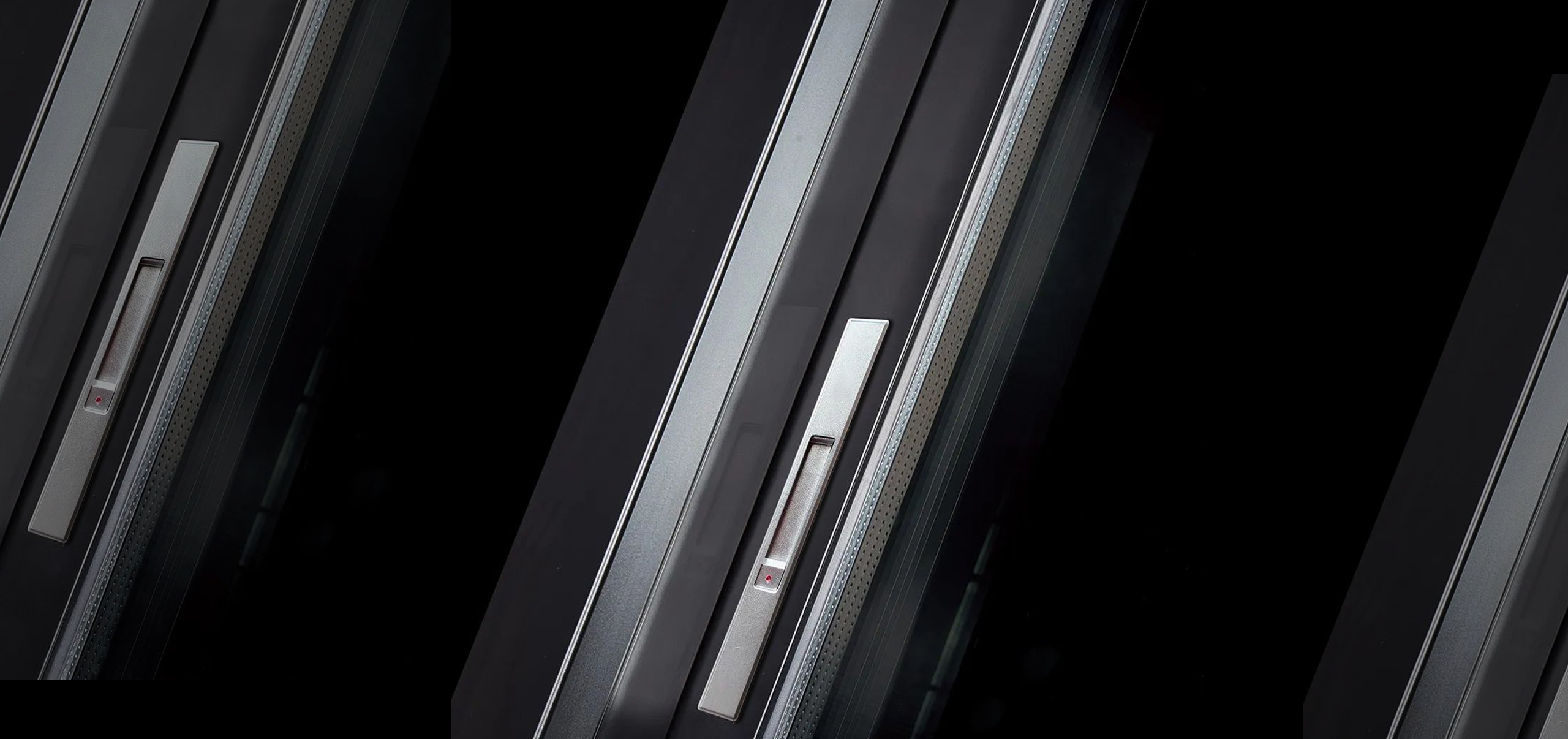
Sliding systems can be less secure than casement windows if not properly designed. Look for multi-point locking systems that engage at several points along the frame. A locking handle or foot bolt adds extra security. Some sliding doors also include anti-lift blocks that prevent the panel from being lifted off the track.
Seals and Weatherstripping
Sliding systems have more gaps than casement windows because the panels overlap rather than pressing against a frame. Quality seals are essential to prevent air and water leakage. Look for double or triple weatherstripping along the meeting stile where panels meet. Brush seals and rubber gaskets work together to block drafts and rain.
Where to Use a Sliding Opening System
Living Rooms with Patios or Gardens
A sliding door creates a beautiful connection between your living room and outdoor space. When open, guests can move freely between inside and outside. When closed, the large glass panels bring in natural light and views.
Bedrooms with Balconies
Sliding doors are perfect for bedrooms that open onto a balcony. They take up no floor space and are easy to operate. For bedrooms facing busy streets, choose laminated glass and high quality seals for better noise reduction.
Kitchens
Sliding windows work well above kitchen sinks or counters. They provide ventilation without interfering with workspace. A sliding window can be opened with one hand, even when your other hand is busy with cooking.
Small Bathrooms
Bathrooms often have limited space. A sliding window provides ventilation without swinging into the room or outside into a narrow passageway. Frosted glass options offer privacy while still letting in light.
Restaurants and Cafes
Commercial spaces benefit greatly from sliding opening systems. Large sliding doors can open an entire wall to outdoor seating areas. This creates a flexible space that works in all weather conditions. Sliding windows at service counters allow staff to interact with customers while maintaining a barrier when needed.
Showrooms and Retail Stores
Sliding systems create wide, inviting entrances. When open, customers can walk in easily. When closed, large glass panels display products to people passing by.
Suifu’s Sliding Opening System
Suifu Windows & Doors has been designing and manufacturing sliding opening systems since 2014. Our factory in Foshan produces sliding windows, sliding doors, and heavy duty sliding systems for customers across China and around the world. We currently serve over 500 offline sales outlets and more than 30 million users.
Our sliding opening systems are custom made for each project. We test every product for air permeability, water tightness, and wind load resistance. Our frames use thermally broken aluminum for strength and energy efficiency. Our glass options include double glazing, laminated glass, low-E glass, and tempered glass. Our rollers are made with stainless steel and ball bearings for smooth, quiet operation. Our seals combine brush and rubber weatherstripping for maximum protection against drafts and rain.
Security is a priority in our sliding designs. We use multi-point locking systems and anti-lift blocks to prevent unauthorized entry. For homes or businesses that need extra protection, we offer reinforced frames and laminated security glass.
We offer multiple configurations including two-panel, three-panel, and four-panel systems. Custom colors are available, including different colors on the interior and exterior. Technical drawings and engineering support are provided for architects and contractors.
Because we manufacture our own products, we offer factory direct pricing and global shipping support. Whether you need sliding windows for a single apartment or sliding doors for a large commercial development, Suifu can meet your requirements.
Installation Tips for a Sliding Opening System
Proper installation is critical for sliding systems. The track must be perfectly level. If the track slopes even slightly, the panels will slide on their own or require extra effort to move. The frame must be square and securely anchored to the wall. Proper flashing and sealant prevent water from entering around the frame. After installation, test the operation to ensure smooth movement and proper locking.
For large sliding doors, professional installation is strongly recommended. The glass panels are heavy and require careful handling. A poorly installed sliding door will cause problems for years.
Maintenance and Care
Sliding opening systems require regular maintenance to perform well over time. The track should be cleaned every few months to remove dirt, dust, and debris. Use a vacuum or brush to clean the track, then wipe it with a damp cloth. Do not use oil based lubricants on the track, as they attract dirt. Instead, use a dry silicone spray on the rollers and track. Check the weatherstripping for damage and replace it when needed. Tighten any loose screws on the handles and locks.
With proper care, a quality sliding opening system will operate smoothly for 15 to 20 years or more.
Common Misconceptions About Sliding Opening Systems
They are not secure.
Older sliding doors with simple latch locks were indeed easy to break into. Modern sliding systems use multi-point locks, anti-lift blocks, and reinforced frames. A quality sliding opening system from a trusted manufacturer is very secure.
They leak air and water.
Cheap sliding systems do leak. But well designed systems with double or triple weatherstripping and proper overlap seals perform very well. The key is choosing quality components and ensuring correct installation.
They are hard to operate.
Heavy glass panels can be difficult to move if the rollers are low quality. But modern sliding systems use precision rollers and ball bearings that allow even large doors to move with a light push.
Final Thoughts
The sliding opening system is a practical, reliable choice for many applications. It saves space, creates wide openings, and provides clear views. For living rooms that open to gardens, for bedrooms with balconies, for kitchens and bathrooms where space is tight, sliding windows and doors offer an excellent solution.
Suifu Windows & Doors has the experience and manufacturing capability to deliver high quality sliding opening systems for any project. From single family homes to large commercial buildings, we provide custom solutions backed by years of engineering expertise.
Contact Suifu today to discuss your sliding opening system needs. Share your project size, performance goals, and timeline, and we will provide a detailed quote and technical support.